
The Complete Postpartum Shapewear and Recovery Guide (2026)
Your body has just done something extraordinary. Growing, carrying, and delivering a baby reshapes the abdominal wall, stretches the uterine ligaments, widens the pelvis, and leaves the core muscles in a fundamentally different state than before pregnancy.
The recovery process takes months — not days or weeks — and the role of compression garments in that recovery is both more meaningful and more nuanced than most shapewear content acknowledges.
This guide covers the full spectrum: from immediate postpartum abdominal support in the first days after birth, through the gradual return to cosmetic shapewear for social occasions, to specialist garments for c-section recovery, tummy tuck aftercare, and related procedures.
It is written for real postpartum bodies — not the unrealistic narrative of snapping back quickly, but the honest timeline of what recovery actually looks like and how compression can support it at each stage.
Before we begin: This guide provides general information and does not substitute for medical advice.
Compression levels, timing of garment use, and suitability for specific individuals — particularly after surgical deliveries or complications — should always be confirmed with your healthcare provider, midwife, or obstetrician.
For the broader shapewear context — body types, compression levels, everyday and occasion wear — see our complete shapewear guide and our shapewear for every occasion guide.
⚡ Quick Answer — What to Wear, By Recovery Stage
| Stage | What to Use | When |
|---|---|---|
| Vaginal birth, early days | Soft postpartum binder | 24–48 hrs, with provider OK |
| C-section, early days | Binder that sits above incision | Day 3–7, with surgical clearance |
| Vaginal birth, uncomplicated | Light cosmetic shapewear | From ~6 weeks, after postnatal check |
| C-section, healed | Light cosmetic shapewear | ~8–12 weeks, incision fully healed |
| Post tummy tuck | Firm cosmetic shapewear | ~3 months, after surgeon’s garment protocol ends |
This is general guidance, not medical advice — always confirm timing with your provider. Keep reading for the full explanation of each stage.

What Happens to the Body After Birth
Understanding the postpartum body is the foundation for understanding why compression garments are useful in recovery — and why the wrong garment at the wrong time can be counterproductive.
The Abdominal Wall
During pregnancy, the rectus abdominis muscles — the paired vertical muscles running down the centre of the abdomen — separate to accommodate the growing uterus. This separation, called diastasis recti, is normal and universal during pregnancy.
The degree of separation varies considerably between individuals, and the rate at which it closes postpartum also varies.
In the weeks after birth, the abdominal wall is significantly weakened. The muscles have been stretched, the connective tissue between them (the linea alba) has been under sustained tension, and the core as a functional unit is compromised.
This is why many postpartum women experience lower back pain, pelvic instability, and difficulty with activities that require core engagement — the stabilising system has been substantially disrupted.
The Uterus
Immediately after delivery, the uterus begins the process of involution — contracting back toward its pre-pregnancy size. This process takes approximately 6 weeks and involves rhythmic contractions (afterpains) that are often more noticeable in women who have given birth previously.
The uterus returns to roughly its pre-pregnancy position and size by 6 weeks, though the abdominal wall above it may take considerably longer to recover its tone and function.
The Pelvic Floor
The pelvic floor — the group of muscles and connective tissue spanning the base of the pelvis — is placed under enormous strain during vaginal delivery. Stretching, potential tearing, and episiotomy all affect pelvic floor function and recovery.
Even after c-section births, the pelvic floor is affected by the weight of pregnancy itself during the preceding months.
Pelvic floor dysfunction postpartum can manifest as urinary incontinence, pelvic organ prolapse, and pelvic pain. Compression garments can support the pelvic region but cannot substitute for pelvic floor physiotherapy in addressing these conditions.
Find Your Situation
| Your Situation | Approach | Key Point |
|---|---|---|
| Breastfeeding | High-waist briefs/shorts, not bodysuits | Avoid anything requiring undressing to nurse; size conservatively as measurements shift |
| Diastasis recti | Shapewear for support only | Doesn’t close the separation — pair with pelvic floor physio, not a substitute for it |
| C-section recovery | Wait for surgical clearance | Nothing near the incision until wound closure is confirmed |
| Post tummy tuck | Surgeon-prescribed garment first | Cosmetic shapewear only after protocol ends (~3 months) and surgeon confirms |
| Currently pregnant | Maternity-specific shapewear only | Never firm compression on the bump — supports from below, doesn’t compress |
| Pregnancy loss or miscarriage | Same postpartum binder approach applies | Physical recovery is similar — follow your own instincts and provider guidance |
C-Section Recovery
Caesarean section is major abdominal surgery. The procedure involves incisions through the abdominal wall layers — skin, fascia, and the uterus itself — and recovery involves healing of all these layers simultaneously.
The typical recovery timeline is longer than vaginal birth: full activity restriction for 6 weeks, with complete tissue healing taking 3–6 months.
C-section recovery has specific implications for compression garments — both in terms of timing (nothing compressing the incision site until wound closure is confirmed) and in terms of garment construction (the waistband or lower edge must not sit on or press against the incision).
Postpartum Abdominal Binders: The First Phase
What Is a Postpartum Abdominal Binder
An abdominal binder is a wide elastic band worn around the abdomen in the immediate postpartum period. It is distinct from cosmetic shapewear in both construction and purpose — it is a medical support garment rather than a figure-shaping undergarment.
The compression is even and circumferential, applying gentle, consistent pressure around the entire abdomen rather than focusing on aesthetic smoothing.
Binders are typically worn from the first days after birth through the first 4–8 weeks of recovery, with the specific timing and duration guided by the healthcare provider.
What Does a Postpartum Binder Do
Reduces swelling. Circumferential abdominal compression supports lymphatic drainage and reduces the accumulation of oedema (fluid) in the abdominal tissues after delivery.
This is particularly relevant after c-section, where surgical trauma increases localised swelling significantly.
Supports the abdominal wall. Gentle external compression provides the weakened abdominal muscles with a degree of structural support during a period when they cannot adequately support themselves. This reduces lower back pain by compensating for reduced core stability.
Reduces afterpain discomfort. Some women find that abdominal compression reduces the intensity of uterine contraction pain in the first days postpartum.
Supports the uterus during involution. Traditional postpartum binding practices across many cultures are premised on the idea that external support aids uterine involution. While the clinical evidence for this specific claim is limited, abdominal support during this period is broadly endorsed as safe and beneficial for most postpartum women.
Improves mobility. In the early days after birth — and particularly after c-section — holding the abdomen when moving, coughing, or changing position significantly reduces discomfort. A binder provides this support passively and continuously.
When to Start Wearing a Postpartum Binder
After vaginal birth: Most women can begin wearing a soft abdominal binder within 24–48 hours of delivery, once the healthcare team has confirmed there are no complications. Begin with light compression and short wearing periods (2–4 hours initially) before building to longer sessions.
After c-section: Timing depends on wound closure and the specific advice of your surgical team. Most c-section binders are designed to sit above the incision line and should not press directly on the wound. Begin only with medical clearance — typically between day 3 and day 7 post-surgery.
What to Look For in a Postpartum Binder
- Width: A minimum of 9–10 inches wide to provide adequate abdominal coverage from pubic bone to ribcage
- Adjustability: Hook-and-eye or Velcro closure systems that allow the compression to be adjusted as swelling reduces over the first weeks
- Breathable fabric: Cotton or cotton-blend construction for skin contact comfort during extended wear
- Low profile: Should sit flat under clothing without bulk
See our detailed review of best postpartum wraps for specific product recommendations for both vaginal and c-section births.
Postpartum Shapewear: Transitioning to Cosmetic Compression
When to Transition
The transition from medical abdominal binder to cosmetic shapewear is a gradual process, not a switch. The timeline varies significantly between individuals based on the type of birth, the degree of diastasis recti, pelvic floor recovery, and individual healing rates.
General guidelines:
- Vaginal birth, uncomplicated: Light cosmetic shapewear appropriate from approximately 6 weeks postpartum, after the 6-week postnatal check confirms recovery is progressing normally
- C-section: Light shapewear appropriate from approximately 8–12 weeks postpartum, once the incision has fully healed and abdominal tissue is no longer sensitive to compression
- Complicated deliveries, significant diastasis recti, or pelvic floor issues: Timing should be guided entirely by your healthcare provider — do not follow general timelines in these cases
Starting Light: What to Wear First
The first cosmetic shapewear postpartum should be significantly lighter in compression than what you may have worn pre-pregnancy. The abdominal wall is still recovering and the pelvic floor is still rehabilitating — firm compression at this stage can impair circulation, increase pressure on a healing pelvic floor, and mask the sensation of overdoing it physically.
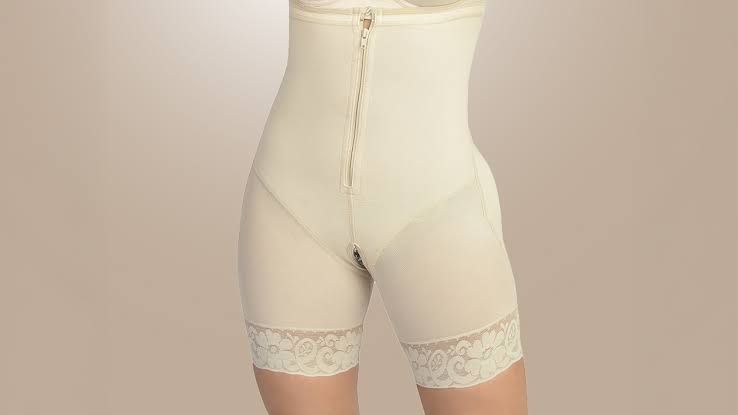
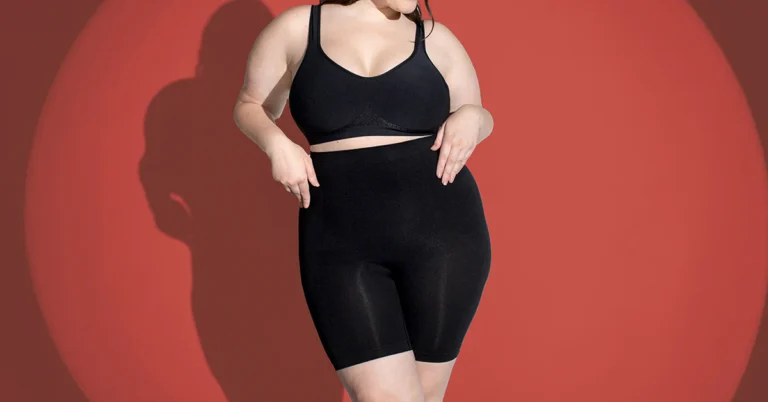
Begin with light compression high waist shaping shorts or briefs that provide gentle abdominal support without firm cinching. The goal at this stage is comfort and confidence for specific occasions, not aggressive reshaping.
Diastasis Recti and Shapewear
Diastasis recti — the abdominal muscle separation from pregnancy — affects how compression garments should be used postpartum. External compression from shapewear does not close diastasis recti. Only targeted rehabilitative exercise (typically guided by a pelvic floor physiotherapist) addresses the underlying separation.
What compression can do is provide temporary external support that reduces the visible effect of diastasis while the rehabilitation work is underway. This is legitimate and appropriate — but it is support, not treatment. Do not use shapewear as a substitute for the rehabilitative work.
Shapewear and Breastfeeding
For breastfeeding women, comfort and practicality are particularly important in postpartum shapewear. Bodysuits and high-compression garments that require significant undressing are impractical when nursing frequently. High waist briefs and shaping shorts — garments that do not involve the chest area — are the most practical option during active breastfeeding.
Hormonal changes during breastfeeding also mean that body measurements shift throughout the feeding period. Sizing shapewear during this phase is best done conservatively — at your current measurements, not anticipated post-weaning measurements.
C-Section Recovery: Specific Considerations
The Incision and Compression
The c-section incision — typically a horizontal cut approximately 10–15 cm long just above the pubic hairline — must be fully closed and healing before any compression is applied at or near it. Even after wound closure, the tissue around the incision remains sensitive and prone to irritation from friction or pressure for several weeks.
Shapewear for c-section recovery must therefore either:
- Sit above the incision — high waist styles that extend upward from the waist but do not reach the lower abdomen. This is more difficult to achieve than it sounds, as many “high waist” styles actually extend quite low.
- Use a specifically designed c-section panel — some postpartum garments include a soft, non-compressive panel at the lower abdomen specifically to accommodate c-section incisions, with firmer compression above and below.
- Use a separated approach — a soft abdominal binder for the lower abdomen and separate compression shorts for the hips and thighs, avoiding the incision zone entirely.
For detailed guidance on compression garment timing and selection after c-section, see when can you wear shapewear after a c-section.
Scar Tissue Management
As the c-section incision heals, scar tissue forms. This scar tissue can adhere to the underlying fascia and cause discomfort, tightness, and in some cases a visible shelf or overhang above the scar. Scar massage — beginning once the wound is fully closed, typically 6–8 weeks post-surgery — is the primary intervention for scar tissue management.
Compression garments can provide gentle pressure to the scar area once it is healed, which some women find helps with scar flattening and sensitivity. Any compression directly on the scar should begin gently and increase gradually as tolerance develops.
Post-Surgical Compression: Tummy Tuck and Abdominoplasty
Why Compression Is Prescribed After Abdominoplasty
A tummy tuck (abdominoplasty) removes excess skin and fat from the abdominal area and tightens the underlying abdominal muscles. Post-surgical compression garments are a standard part of the recovery protocol — prescribed by the surgeon, not optional.
The compression serves several specific functions after abdominoplasty:
Reducing seroma formation. A seroma is an accumulation of fluid in the surgical space — one of the most common complications after tummy tuck. Consistent external compression reduces the space in which fluid can accumulate, lowering seroma risk.
Supporting the skin as it adheres. After the skin is repositioned and sutured, it needs to adhere to the underlying tissue layers. External compression supports this adhesion by keeping the skin in contact with the tissue beneath it.
Reducing swelling. Post-surgical oedema is significant after abdominoplasty. Compression garments are the primary intervention for managing swelling in the weeks following surgery.
Maintaining surgical results. The compression garment helps the body conform to the new contours created by the surgery during the critical early healing phase.
What Post-Surgical Garments Look Like
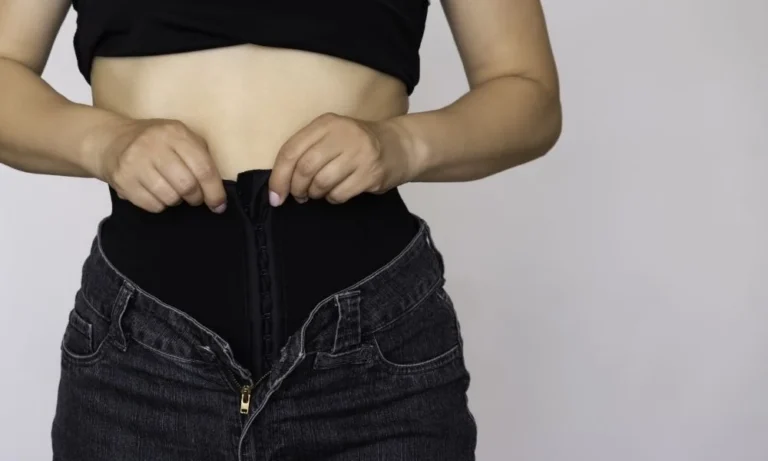
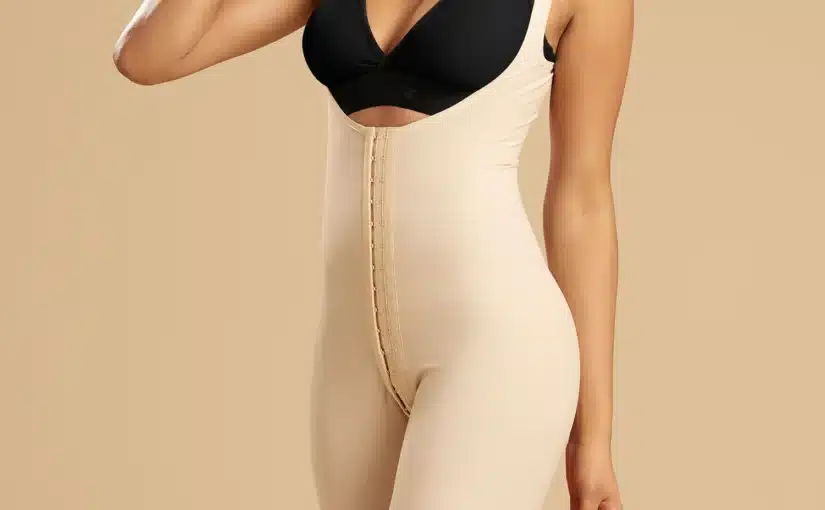
Post-surgical compression garments for abdominoplasty are significantly different from cosmetic shapewear. They are medical-grade, typically covering from the bra line to mid-thigh, with firm and even compression throughout. They use hook-and-eye or zip closures to allow precise adjustment as swelling reduces.
These garments are typically prescribed by the surgeon and worn for 6–8 weeks post-surgery: continuously (day and night) for the first 2–4 weeks, then for daytime hours only as healing progresses.
See our detailed review of compression garments for the stomach for the best options in the post-surgical category.
Transitioning to Regular Shapewear After a Tummy Tuck
The transition from prescribed post-surgical garments to regular cosmetic shapewear after a tummy tuck should be guided by your surgeon. Most patients begin wearing regular shapewear from approximately 3 months post-surgery, once the prescribed garment protocol is complete and the surgical team confirms healing is progressing appropriately.
The first cosmetic shapewear after a tummy tuck should still be firm — the body has been reshaped and the new contours benefit from continued support. Spanx and similar premium compression brands are popular choices for this transition phase. See our guide to best shapewear after a tummy tuck for specific recommendations.
Is It Safe to Wear Shapewear While Pregnant?
This is among the most commonly asked questions in this category and the answer requires careful nuance.
Conventional cosmetic shapewear with firm abdominal compression is not appropriate during pregnancy. The compression directly on the growing uterus is contraindicated — it can reduce blood flow to the placenta and cause discomfort and potential harm.
Maternity-specific shapewear with light, adjustable compression is appropriate during pregnancy for most women with a normal pregnancy, but always with healthcare provider confirmation.
The distinction is critical. Maternity shapewear is engineered differently from standard shapewear:
- It supports the bump from below rather than compressing it from the sides and above
- The compression at the abdomen is significantly lighter — supportive rather than compressive
- The garments are adjustable to accommodate changes in bump size across the pregnancy
- They prioritise comfort and breathability over aesthetic effect
The benefits of appropriate maternity shapewear include reduced lower back pain (by supporting the shifting centre of gravity), reduced leg swelling (through gentle lower limb compression), reduced pelvic girdle pain, and improved comfort during extended periods of standing or walking.
See our complete review of best pregnancy shapewear for options appropriate for each trimester, and is shapewear safe during pregnancy for the full safety discussion.
Postpartum Belly Binding: Traditional Practice and Modern Evidence
Belly binding — the practice of wrapping the abdomen with cloth or a structured garment in the weeks after birth — is a tradition found across cultures globally, from the Malaysian bengkung to the Latin American faja to the Japanese sarashi. Modern postpartum compression garments are, in many respects, a product of this tradition reinterpreted through contemporary fabric technology.
The traditional rationale for belly binding encompasses both physical and cultural dimensions: physical support during a vulnerable period, warmth and comfort, and cultural acknowledgement of the transition into motherhood.
The modern evidence base for postpartum belly binding supports its role in pain reduction and physical support. Evidence for specific claims around permanent waist reduction or accelerated organ repositioning is less robust.
What is well-established is that gentle, consistent abdominal compression in the early postpartum period is safe, comfortable, and beneficial for most women.
For a full discussion of techniques, timing, and garment options, see our dedicated guide to postpartum belly binding.
How Shapewear Supports C-Section Recovery
Beyond the immediate incision considerations, shapewear plays a meaningful role in c-section recovery across several dimensions.
The combination of surgical trauma, abdominal muscle disruption, and the physical demands of new parenthood creates a specific recovery context where appropriate compression provides genuine benefit.
Abdominal support during the early weeks reduces the discomfort of movement — getting out of bed, lifting, carrying — by providing the external stability that the compromised abdominal wall cannot fully provide internally.
Many c-section recovery patients report that supported movement is significantly less uncomfortable than unsupported movement.
Psychological comfort is also a legitimate dimension of postpartum shapewear.
The physical changes of pregnancy and surgery affect body confidence, and the ability to feel contained and supported — rather than uncomfortably aware of the changed abdomen — has value during recovery.
See how shapewear helps c-section recovery for the full guide to compression use throughout the c-section recovery timeline.
Compression Garments for the Stomach: Medical vs Cosmetic
An important distinction for postpartum and post-surgical readers: there is a meaningful difference between cosmetic shapewear (designed for aesthetic smoothing) and medical compression garments (designed for physiological support and recovery).
Medical compression garments are typically prescribed, use standardised compression levels measured in mmHg, are designed for consistent wear over defined recovery periods, and prioritise function over aesthetics.
Cosmetic shapewear uses descriptive compression labels (light, medium, firm), is designed for intermittent wear, and prioritises aesthetic smoothing over clinical outcomes.
In the postpartum and post-surgical context, using cosmetic shapewear where medical compression is indicated — or vice versa — provides suboptimal outcomes. The early recovery phase calls for medical-grade garments.
The return to social occasions calls for cosmetic shapewear. The transition between the two is gradual and guided by recovery progress.
See best compression garments for the stomach for a full breakdown of medical-grade options and where they sit relative to cosmetic shapewear.
Postpartum Body and Realistic Expectations
It is worth stating directly: postpartum shapewear supports recovery and confidence during occasions.
It does not accelerate the natural process of postpartum body change, and it does not compensate for the rehabilitative work — pelvic floor physiotherapy, gradual return to core exercise, adequate nutrition and rest — that is the actual foundation of postpartum recovery.
The postpartum body changes primarily over 12–18 months, not 6–8 weeks. Bodies that have experienced multiple pregnancies, c-sections, or complications may change differently and on different timelines. Comparison — to pre-pregnancy bodies, to other postpartum women, to unrealistic media representations — is not a useful framework.
Shapewear in this context is a practical tool for specific situations: occasions where you want to feel confident and contained, recovery periods where compression provides comfort and support, and transitions between the postpartum and the return to everyday clothing.
It is not a solution to the postpartum experience — it is one small, practical part of navigating it.
Frequently Asked Questions
How soon can I wear shapewear after giving birth?
After vaginal birth, a soft postpartum binder can typically be worn from 24–48 hours after delivery with healthcare provider confirmation.
Cosmetic shapewear with any meaningful compression should wait until the 6-week postnatal check confirms recovery is progressing normally. After c-section, both medical binders and cosmetic shapewear timing should be guided by your surgical team — typically no earlier than 6–8 weeks for cosmetic shapewear.
Will shapewear help close my diastasis recti?
No. External compression from shapewear provides temporary support and can reduce the visible effect of diastasis, but it does not close the muscle separation.
Closing diastasis recti requires targeted rehabilitative exercise — typically guided by a pelvic floor physiotherapist. Use shapewear for support and confidence at occasions while undertaking the rehabilitation work separately.
Can I wear shapewear while breastfeeding?
Yes, with practical considerations. High waist briefs and shaping shorts that do not involve the chest area are the most practical during active breastfeeding.
Avoid bodysuits and garments that require significant undressing for nursing access. Be aware that body measurements fluctuate during breastfeeding — size conservatively.
What is the difference between a postpartum wrap and a regular shapewear brief?
A postpartum wrap is a wide, circumferential support garment designed for the early recovery phase — its purpose is medical support, not aesthetic smoothing.
A regular shapewear brief is a cosmetic garment designed for occasional wear to smooth the silhouette. Postpartum wraps are wider, more adjustable, designed for extended daily wear, and prioritise support over aesthetics. See best postpartum wrap for specific options.
Is belly binding the same as wearing a waist trainer postpartum?
No. Traditional belly binding and modern postpartum binders apply broad, even, moderate compression across the full abdomen. Waist trainers apply firm, localised compression at the waist specifically — a very different pressure profile.
Waist trainers are not appropriate for the early postpartum period and should not be used as a substitute for proper postpartum abdominal support.
How long should I wear a postpartum binder each day?
General guidance is 8–10 hours per day, removing the garment for sleeping and for any period of significant discomfort. Some postpartum women find wearing it overnight beneficial — this is safe if the compression is light and the garment is comfortable.
Remove the binder during exercise, as it can restrict breathing and movement. Always follow your healthcare provider’s specific guidance.
Can I wear a postpartum wrap after a miscarriage or loss?
Yes. The physical recovery of the body after pregnancy loss — including miscarriage, stillbirth, and termination — involves many of the same physiological processes as postpartum recovery. Abdominal support during this period can provide physical comfort.
The emotional dimension of using postpartum garments after pregnancy loss is individual — follow your own instincts and the guidance of your healthcare provider.
What shapewear is safe in the first trimester?
During the first trimester, when the bump is not yet visible, light compression shaping briefs and shorts are generally safe for most women with normal pregnancies.
As the pregnancy progresses and the uterus expands above the pubic bone, transition to maternity-specific shapewear that accommodates the growing bump. Confirm with your midwife or obstetrician at each stage.
Conclusion
The postpartum body is not a problem to be solved. It is a body in recovery from a profound physical experience — and the role of compression garments in that recovery is as a supportive tool, not a corrective one.
Used appropriately, postpartum binders reduce swelling, support healing tissue, and make the practical demands of early parenthood more comfortable. Cosmetic shapewear, introduced gradually as recovery allows, provides confidence and comfort at specific occasions during the return to everyday life. Post-surgical compression, used as prescribed, supports the healing process after c-section and elective procedures.
The common thread is that the right garment at the right stage of recovery, worn with realistic expectations, provides genuine benefit. The wrong garment — too firm, too soon, worn as a substitute for medical care — does not.
Use these guides for your specific situation:
- Best postpartum wrap — for immediate recovery after vaginal and c-section birth
- Best pregnancy shapewear — for safe compression during pregnancy
- Compression garments for the stomach — for post-surgical and medical-grade options
- Shapewear after a tummy tuck — for abdominoplasty recovery
- When to wear shapewear after c-section — full c-section timing guide
- Is shapewear safe during pregnancy — full safety guide
- Postpartum belly binding — traditional and modern binding practices
- How shapewear helps c-section recovery — full recovery support guide
- The complete shapewear guide — foundational shapewear knowledge