Shapewear for Every Body Type: The Complete Guide (2026)
Most shapewear advice treats every woman the same. Buy the firmest thing you can find, size down for more control, and hope for the best. This approach fails — and it fails consistently — because different body types distribute soft tissue in different places, which means different styles, different compression placements, and different silhouette goals are needed for each one.
This guide maps every major body type to the shapewear that works best for it. Not generic recommendations — specific styles, compression zones, what to look for, and what to avoid. By the end you will know exactly what your body type needs and why.
If you are still figuring out the basics of shapewear — compression levels, fabric types, the difference between styles — start with our complete shapewear guide first, then come back here for the body-type-specific detail.
⚡ Quick Answer — Find Your Body Type
| Body Type | Best Style | Key Feature |
|---|---|---|
| 🍎 Apple | High waist brief, reinforced front | Wide waistband starting below the ribcage |
| 🍐 Pear | Shaping shorts | Graduated compression, firmest at outer thigh |
| ⏳ Hourglass | Seamless shaping briefs | Light-medium compression only — avoid over-correcting |
| ▭ Rectangle | Boned waist cincher + shaping shorts | Firm structure for waist definition, padded rear option |
| Plus Size | Long-torso, wide-band styles | 3–4″ graduated waistband, full 360° compression |
| Petite | Petite-specific sizing | Shortened torso, high-cut leg openings |
Not sure which is you? Keep reading — the measurement guide below tells you exactly how to check.
How to Identify Your Body Type
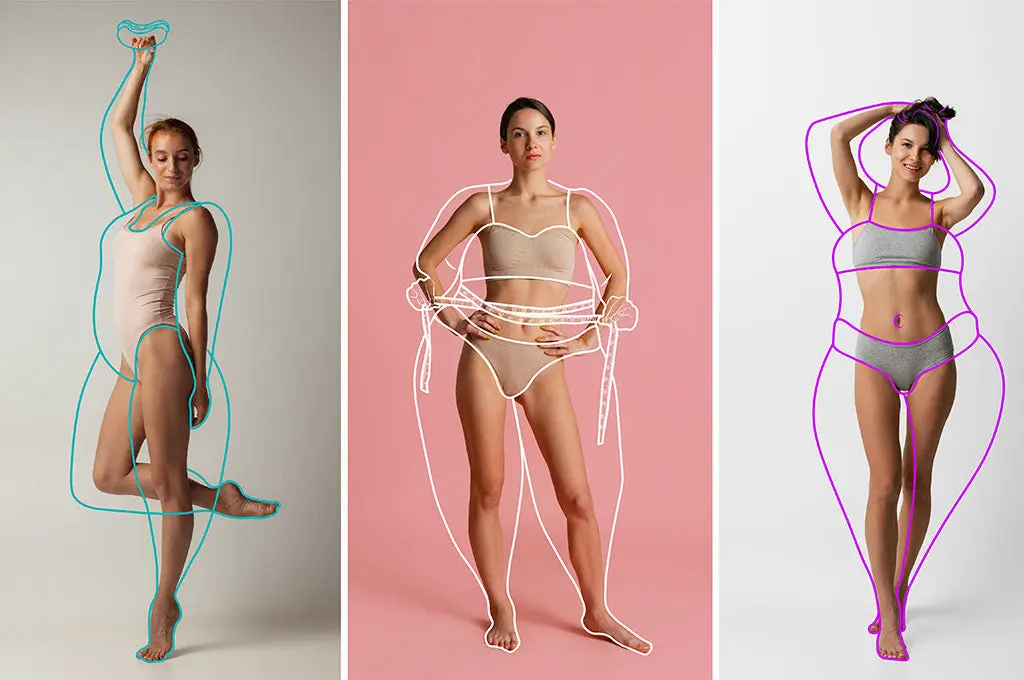
Body type classifications are based on the proportional relationship between three key measurements: bust, waist, and hips. They are not about size or weight — a plus size woman and a petite woman can share the same body type because the classification is about proportion, not scale.
Take these three measurements before reading further:
- Bust: Around the fullest part of your chest, with the tape measure parallel to the floor.
- Waist: Around the narrowest point of your torso, typically 1–2 inches above the navel. Do not pull the tape tight — measure at natural relaxed breathing.
- Hips: Around the fullest part of your hips and buttocks, typically 7–9 inches below the natural waist.
With those three numbers you can identify your body type from the categories below. If you fall between two types — which is common — read both sections and combine the advice.
One more thing before we start: knowing your body type is only half the equation. The other half is knowing what you want to achieve. Some women want overall smoothing. Others want waist definition. Others want to address one specific problem area. The body type guides below assume a general goal of a proportional, smooth silhouette — but within each section we note how the approach changes if your goal is different.
Apple Body Shape: Targeting the Midsection
What Defines an Apple Shape
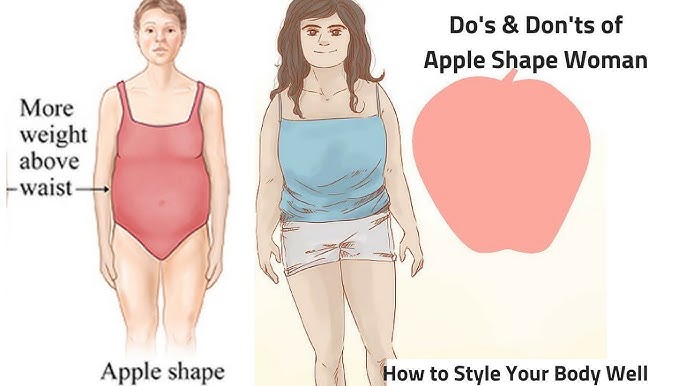
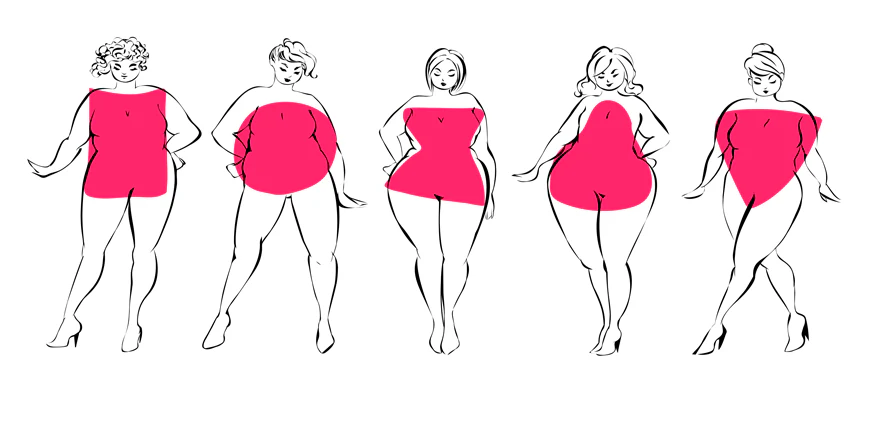
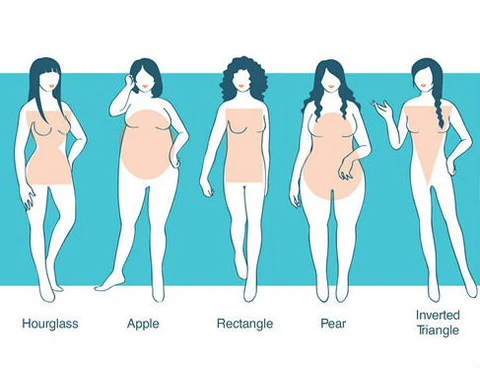
Apple-shaped bodies carry the majority of their weight in the midsection — the abdomen, upper waist, and chest — with proportionally slimmer hips, legs, and arms. The waist measurement is typically similar to or larger than the hip measurement, and there is minimal natural waist definition.
The fullest part of the body is above the hip line rather than at it, which means that shapewear designed to control the hips and thighs provides minimal benefit for this body type. The priority is entirely in the torso.
What Shapewear Works Best for Apple Shapes
High waist briefs with reinforced front panels are the most effective everyday option for apple shapes. The key features to look for are a wide, graduated waistband that distributes compression evenly rather than cutting in at a single point, and a double-layer or reinforced panel specifically covering the lower abdomen below the navel — the area most apple-shaped women want to address.
Avoid styles where the waistband sits at the natural waist. On an apple figure, the natural waist is often the widest part of the torso, which means a narrow waistband at that point creates a visible ridge and can push soft tissue upward, creating a more pronounced look above the waist rather than less. Wide, long-torso styles with waistbands that begin below the ribcage and taper gradually are far more flattering.
Bodysuits are the best special-occasion option for apple shapes because they eliminate the waistband problem entirely. A well-fitted bodysuit with a long torso provides even compression from bust to hip with no single pressure point. Look for styles with bust support built in so the garment controls the full upper body, not just the abdomen.
Waist cinchers and waist trainers can work well for apple shapes in terms of creating the appearance of a waist where there is minimal natural definition — but they only address the waist itself, not the lower abdomen. For comprehensive coverage, a waist cincher worn over a high waist brief provides both waist definition and lower abdominal control simultaneously.
See our detailed recommendations in best shapewear for apple shape.
What Apple Shapes Should Avoid
- Waistbands that sit at the narrowest point of the torso — they create ridges
- Short bodices that leave the lower abdomen uncovered
- Styles with heavy compression at the hips and thighs only — these provide no benefit for the apple midsection
- Garments that are too short in the rise — they roll down on apple figures because there is more volume above the waistband than below it
Problem Areas Commonly Associated with Apple Shapes
Apple shapes often search specifically for solutions to back fat, muffin top, and love handles alongside general abdominal control. These require specific garments beyond a standard high waist brief:
- For back fat: a shaping camisole or bodysuit with compression back panels — see best shapewear for back fat
- For muffin top specifically: wide-band, seamless waistband styles — see best Spanx for muffin top
- For love handles: 360-degree compression garments that wrap the full circumference — see Spanx for love handles
Pear Body Shape: Smoothing the Hips and Thighs
What Defines a Pear Shape
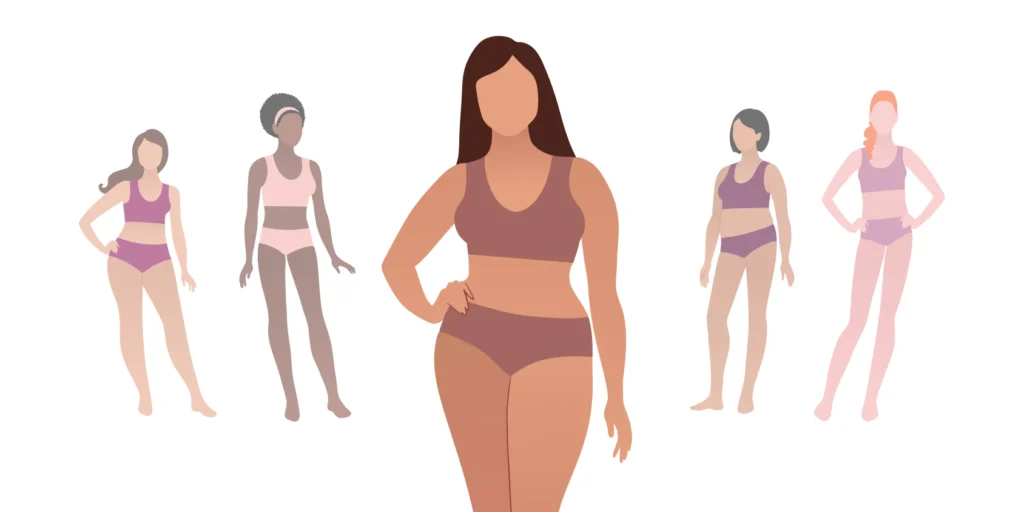
Pear-shaped bodies are narrower at the shoulders and bust and wider at the hips and thighs, with the fullest measurement at or below the hip line. The waist is typically well-defined relative to the hips, which means the goal with shapewear is not creating waist definition but smoothing the hips, outer thighs, and buttocks while preserving the natural waist-to-hip ratio.
Pear shapes are the most common female body type, and the shapewear market is well-served for this category — though many pear-shaped women buy the wrong styles because they focus on waist control when hip and thigh smoothing is the actual need.
What Shapewear Works Best for Pear Shapes
Shaping shorts are the most effective primary garment for pear shapes. They address the outer thigh and hip area that sits below where most briefs end — which is precisely where pear figures carry the most visible soft tissue. Shorts extend to mid-thigh or the knee, smoothing the hip-to-thigh transition that shows most visibly under fitted skirts, dresses, and trousers.
The critical feature to look for in shorts for pear shapes is graduated compression — meaning the fabric is firmest at the outer thigh and hip and gradually lighter as it moves toward the waist. This prevents the single biggest problem pear-shaped women encounter with shapewear: visible displacement of tissue upward, creating a bulge above the waistband. A well-graduated short distributes rather than displaces.
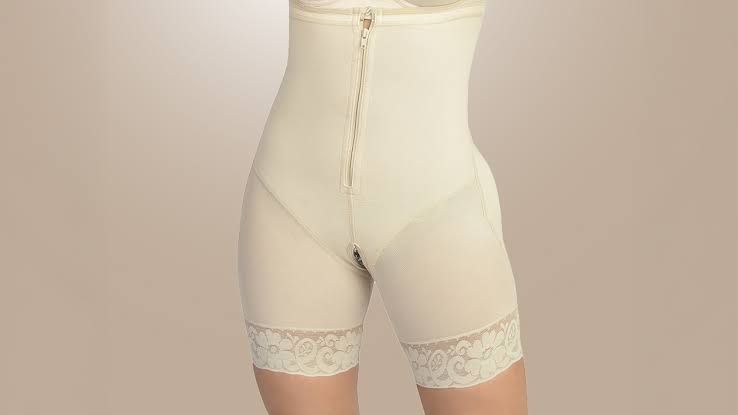
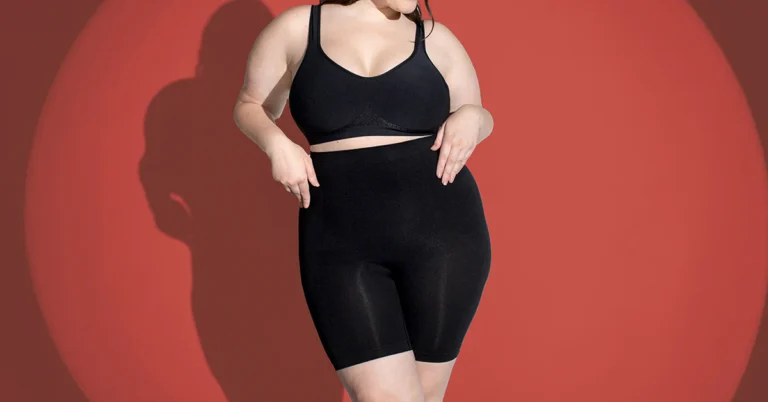
High waist shaping shorts (rather than briefs) extend compression from the waist all the way to mid-thigh in a single garment, eliminating the visible waistband line that briefs can create at the hip on a pear figure. This is the most comprehensive single-garment option.
Shaping briefs work well for pear shapes in situations where the outfit does not require thigh coverage — under midi and maxi skirts, for example, where the lower body is fully covered. Choose styles with low, smooth leg openings that sit flat against the thigh rather than digging in.
What Pear Shapes Should Avoid
- Garments that end at the widest part of the hip — the waistband sits directly at the fullest point and creates a noticeable line
- Firm compression at the waist on a naturally defined waist — over-compression here can make the waist appear disproportionately narrow
- Styles with visible lace or decorated leg openings that create texture under fitted fabric
Problem Areas Commonly Associated with Pear Shapes
Pear shapes often want additional lift at the rear alongside hip and thigh smoothing. For this combination, a high waist shaping brief with built-in rear lift panels addresses both simultaneously — see best rear lifting shapewear and best Spanx for bum lift.
Hourglass Body Shape: Preserving Natural Proportions
What Defines an Hourglass Shape
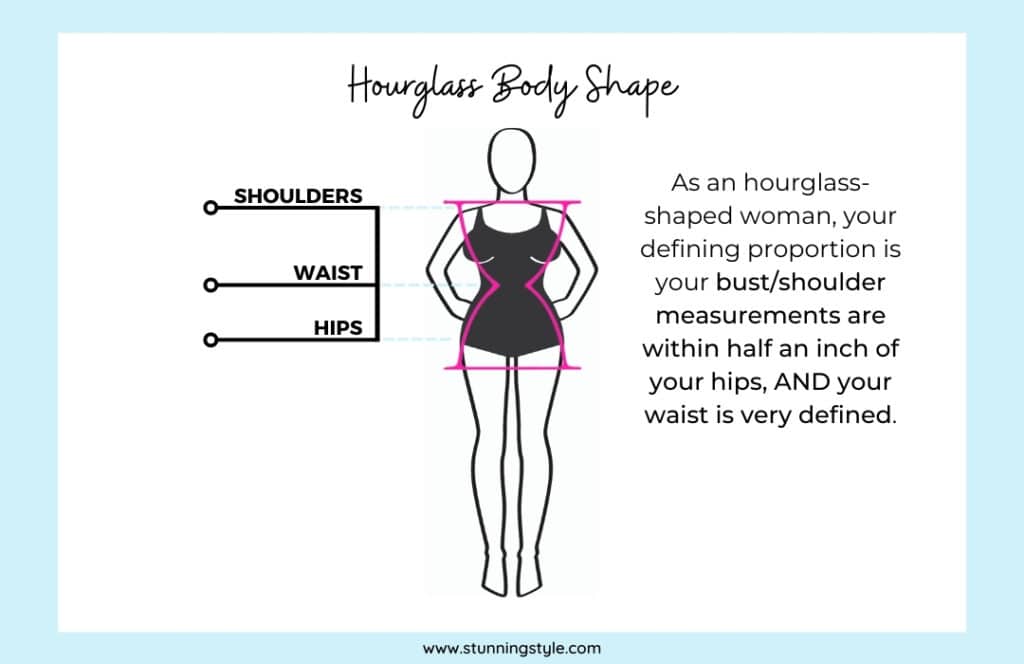
Hourglass shapes have bust and hip measurements that are roughly equal, with a waist that is significantly narrower — typically 8–12 inches smaller than both. The silhouette is naturally curved and proportionally balanced, which means the shapewear goal is preservation and enhancement of existing proportions rather than creating them from scratch.
This is the body type for which shapewear requires the most careful selection — not because it is the most challenging, but because over-correcting is the biggest risk. Too much compression at the waist on an already-defined waist looks unnatural. Too much compression at the hips distorts the natural curve.
What Shapewear Works Best for Hourglass Shapes
Light to medium compression is almost always sufficient for hourglass figures. The goal is smoothing surface texture and eliminating visible lines rather than reshaping, which means lighter fabrics and lower compression levels achieve better results than the firm compression that other body types might need.
Seamless shaping briefs in neutral tones are the best everyday option — they smooth the tummy and hips without adding bulk or altering proportions. Look for styles with a smooth, flat front panel rather than heavily boned or reinforced structures.
Bodysuits work excellently for hourglass figures under fitted dresses because they provide comprehensive, even coverage without distorting the natural waist-hip ratio. Avoid bodysuits with rigid waist boning that cinch the waist beyond its natural measurement.
Shaping camisoles are the best choice for smoothing the upper body — sides, back, and bust — without any effect on the already-proportional lower body.
What Hourglass Shapes Should Avoid
- Waist cinchers that over-compress the already-narrow waist — the result looks unnatural
- Heavy compression shorts that flatten the natural hip curve
- Garments with padding at the hips or buttocks — the natural silhouette does not need enhancement
Problem Areas Commonly Associated with Hourglass Shapes
Back fat and bra bulge are the most common concerns for hourglass figures — particularly with the larger bust that often accompanies this shape. A shaping camisole with back compression panels and built-in bra support addresses both. See best shapewear for back fat.
Rectangle Body Shape: Creating Definition and Curves
What Defines a Rectangle Shape
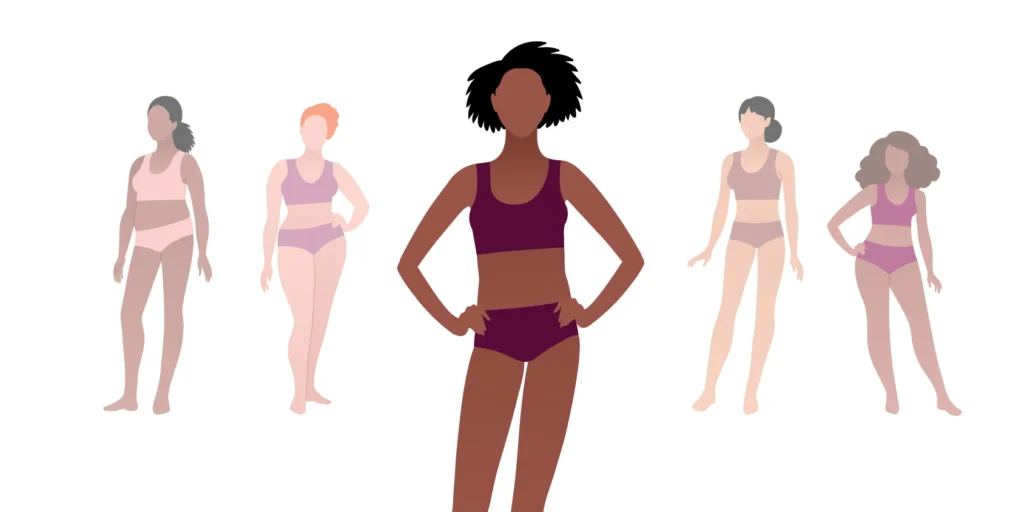
Rectangle-shaped bodies have bust, waist, and hip measurements that are similar — within a few inches of each other — with minimal natural waist definition. The silhouette is straight and athletic rather than curved, which means the shapewear goal for this body type is the opposite of most others: not smoothing or reducing, but creating the appearance of definition and curves that are not naturally present.
This requires a different approach to shapewear selection — looking for garments that enhance contrast between waist and hips rather than simply compressing evenly.
What Shapewear Works Best for Rectangle Shapes
Waist cinchers with boning are the most effective tool for creating waist definition on a rectangle figure. A structured cincher with vertical boning nips the waist inward, creating contrast with the hip measurement and suggesting an hourglass silhouette that the natural proportions do not provide. The firmness of the cincher matters here — soft fabric cinchers create less definition than boned or structured versions.
For maximum transformation, a waist cincher worn simultaneously with butt-lifting shaping shorts creates both waist definition above and hip/buttock enhancement below — the combination that creates the most pronounced curve contrast on a straight figure.
Padded or structured shaping shorts with built-in rear enhancement are particularly effective for rectangle shapes. Adding volume at the buttocks increases the hip measurement visually, creating a greater hip-to-waist contrast even before any waist cinching is applied.
Structured bodysuits with built-in waist boning and graduated compression — firmer at the waist and lighter at the bust and hips — create the most comprehensive silhouette transformation in a single garment.
What Rectangle Shapes Should Avoid
- Even, all-over compression without waist-specific control — this maintains the straight silhouette rather than altering it
- Styles without waist definition features — a plain high waist brief smooths but does not define
- Very firm hip compression that eliminates natural movement — the goal is to add curves, not flatten everything
Problem Areas Commonly Associated with Rectangle Shapes
Rectangle shapes often want to specifically address tummy control alongside waist definition. A combination of a waist cincher for definition and a high waist brief for tummy smoothing under a dress provides both. See best shapewear for tummy pooch and extreme tummy control shapewear.
Plus Size Body Types: Fit Over Everything
Why Plus Size Shapewear Is Different
Plus size shapewear requires a fundamentally different approach to both selection and fitting — not because plus size bodies need more correction, but because the structural demands on the garment are different and standard sizing typically fails to accommodate them properly.
The most common problems with off-the-shelf shapewear on plus size bodies are: waistbands that roll down because the torso volume above the band exceeds the band’s resistance; compression that is uneven across a larger surface area, creating pressure points; garments that are too short in the torso, causing the waistband to sit below the natural waist; and leg openings that cut into the inner thigh.
None of these problems are a reflection of body size. They are engineering failures in garments that were designed for a narrower size range and extended superficially. The solution is brands and styles that were engineered for extended sizing from the beginning rather than scaled up.
What Shapewear Works Best for Plus Size Bodies
Long-torso styles are non-negotiable for plus size figures. The torso is longer in absolute terms on a larger body, which means standard-length garments frequently do not reach the natural waist. A garment that sits below the natural waist provides less effective compression, rolls down more easily, and creates a visible line in the wrong place. Always check the torso length specification.
Wide, graduated waistbands are the most important construction feature for plus size shapewear. A wide waistband distributes compression across a larger surface area, preventing the band from digging in or rolling down. Look for bands that are at least 3–4 inches wide with a gradual compression increase from the edge of the band inward.
360-degree compression — meaning the garment provides equal compression at the front, sides, and back — is more important for plus size bodies than for smaller ones because more surface area needs to be covered. Styles with reinforced front panels but standard fabric at the back leave the sides and love handle area unaddressed, which is more visible at larger sizes.
Full coverage back panels that extend to the natural waist or above are essential. Low-back styles that cover only the lower back leave the upper back and bra area exposed, which is typically a concern area for plus size women.
See our detailed guides to best plus size shapewear for tummy and best girdle for plus size for specific product recommendations in extended sizing.
Sizing for Plus Size Shapewear
The standard sizing mistake — buying too small — is even more consequential at plus sizes. A too-small garment on a plus size body creates more dramatic pressure points, more visible displacement of tissue above and below the compression zone, more rolling and bunching, and more discomfort.
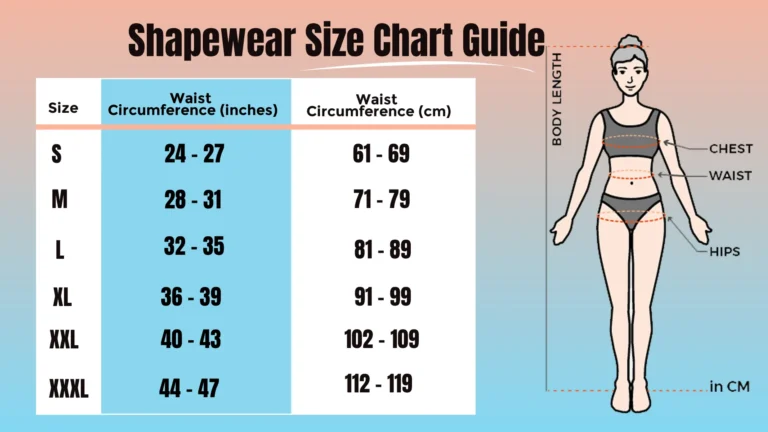
Use the brand’s size chart exclusively. Do not use your clothing size as a guide — shapewear sizing varies by brand and is not correlated with clothing size in any consistent way. Measure your waist and hips and match to the chart.
The shapewear size guide at how to choose shapewear for your body type covers measurement technique and sizing methodology in detail.
Problem Areas Commonly Associated with Plus Size Bodies
Plus size women most commonly search for solutions to tummy control, back fat, FUPA, and love handles — often in combination. The posts below cover each in detail with recommendations that include extended sizing:
- Tummy pooch: best shapewear for tummy pooch
- FUPA: best shapewear for FUPA
- Back fat: best shapewear for back fat
- Love handles: Spanx for love handles
- Full tummy control: extreme tummy control shapewear
Petite Body Types: Proportion and Length
What Defines a Petite Body Type
Petite refers to height — specifically, women under 5’4″ — rather than weight or build. A petite woman can be any body shape: apple, pear, hourglass, or rectangle. The shapewear challenges for petite figures are primarily about garment length and proportion rather than compression placement.
Standard shapewear is designed for a body between 5’4″ and 5’8″. On a petite frame, this means waistbands that sit at or above the natural waist rather than below the ribcage, leg openings that extend further down the thigh than intended, and bodysuits that bunch at the crotch because the torso measurement is shorter.
What Shapewear Works Best for Petite Bodies
Petite-specific sizing where available is always the first choice. Several brands now offer petite ranges that shorten the torso and adjust the rise to sit correctly on a shorter frame. Spanx, Maidenform, and Honeylove all have petite options worth prioritising.
High-cut leg openings are better for petite frames than low-cut or mid-thigh styles, which tend to extend too far down the thigh proportionally. A higher leg opening keeps the garment within the natural range of the shorter torso and thigh.
Low-rise brief styles can work better for very petite frames where standard high waist briefs extend above the natural waist onto the ribcage — uncomfortable and ineffective.
See best shapewear for petite women for specific recommendations in petite sizing.
Shapewear for Specific Body Goals Across All Types
Regardless of body type, many women are looking for shapewear that addresses one specific concern rather than overall shaping. The guides below cover each of these in detail with recommendations that span body types:
Tummy and abdominal control:
- Best shapewear for tummy pooch — lower abdomen specifically
- Best shapewear for FUPA — upper pubic area coverage
- Extreme tummy control shapewear — maximum abdominal compression
- Best plus size shapewear for tummy — extended sizing focus
Back and sides:
- Best shapewear for back fat — back smoothing specifically
- Best Spanx for muffin top — waistband area
- Spanx for love handles — side waist control
Lower body lift and enhancement:
- Best Spanx for bum lift — rear enhancement
- Best rear lifting shapewear — full rear lift options
How to Size Correctly for Your Body Type
Sizing errors are the most common reason shapewear fails — and the right size varies by body type as well as brand. See our dedicated shapewear size guide for measurement instructions and brand-by-brand sizing comparisons.
The single most important rule regardless of body type: always size up if you are between sizes. A garment that fits properly at the right size will outperform a too-small garment at any compression level. This is especially important for apple and plus size figures where sizing down creates disproportionate pressure at the waist.
Shopping by Specific Concern, Not Just Body Type
| Your Concern | Most Common In | What Helps |
|---|---|---|
| Muffin top | Apple shapes | Wide-band, seamless waistband styles |
| Back fat | Hourglass & apple shapes | Shaping camisole/bodysuit with back compression panel |
| Love handles | Apple & plus size | 360-degree compression, full circumference |
| Tummy pooch | Apple & rectangle | High waist brief, sized up not down |
| Rear lift | Pear & rectangle | Shorts or briefs with built-in rear lift panels |
| FUPA coverage | Plus size | Dedicated lower-abdomen panel, long-torso fit |
Does Shapewear Actually Work for Every Body Type?
Yes — when the right style is matched to the right body type. The reason shapewear fails for many women is not the category but the mismatch between their specific proportional needs and the garment they chose.
A pear shape who buys a waist cincher will be disappointed because the cincher addresses waist definition — which a pear shape already has — rather than hip and thigh smoothing, which is what the pear silhouette actually needs. An apple shape who buys shaping shorts will find the shorts do nothing for her midsection because they target a different zone entirely.
Body type matching solves this. When the garment is chosen for the specific distribution of soft tissue in your body, the results are consistent and reliable. See does shapewear work for a fuller discussion of realistic expectations.
Shapewear by Occasion — Complementing Your Body Type Strategy
Knowing your body type tells you which zones to target. Knowing your occasion tells you the compression level and style that works under the specific outfit. These two dimensions together give you the complete picture.
Our shapewear for every occasion guide covers compression levels, specific outfit pairings, and style recommendations by occasion — use it alongside this guide to make the final selection.
Frequently Asked Questions
What body type is hardest to fit for shapewear?
Apple shapes and plus size bodies tend to find shapewear fitting most challenging — apple shapes because the midsection is the fullest zone and most garments are not designed with sufficient upper abdominal coverage, and plus size bodies because standard sizing frequently fails in torso length and waistband construction. Both challenges are solvable with the right garments.
Can shapewear change your body type?
No. Shapewear creates a temporary visual effect under clothing — it does not alter body composition or bone structure. The effect disappears when the garment is removed. Claims that waist trainers permanently reshape the waist through extended wear are not supported by medical evidence for the vast majority of users.
Should I choose shapewear based on my natural shape or the shape I want?
Both. Your natural shape tells you which zones to target — where your body carries the most visible soft tissue. The shape you want tells you the style and compression intensity. Combining both gives you the most accurate garment selection.
What if I am between two body types?
Choose garments that address both body types’ primary concerns. For example, a woman between apple and pear who carries weight in both the midsection and hips benefits most from a high waist shaping short — it covers the abdominal zone of the apple and the hip/thigh zone of the pear in a single garment.
Does body type change shapewear sizing?
Body type does not change sizing — your measurements determine your size. However, body type does affect which measurement is most critical to get right. For apple shapes, the waist and torso length are the most important. For pear shapes, the hip measurement is most important. Always measure all three (bust, waist, hips) and use the brand’s size chart.
Is there shapewear for athletic or muscular body types?
Athletic and muscular bodies — which often have firm tissue that does not respond to light compression — need medium to firm compression levels to achieve visible smoothing. The style recommendations for rectangle shapes (above) apply well to athletic bodies. The key is that muscle creates a different texture than soft tissue under fabric, and very light shapewear may have minimal visible effect.
What shapewear works for older women?
Body proportions shift with age — typically including increased abdominal fullness, reduced waist definition, and changes in skin elasticity. Older women generally find that high waist briefs with reinforced abdominal panels, bodysuits with gentle built-in bra support, and medium compression styles are the most comfortable and effective. Very firm compression can feel more restrictive as skin elasticity changes, so comfort-focused medium compression brands like Honeylove and Yummie are particularly popular with this demographic.
Conclusion
Shapewear works when it is chosen for your body. The women who are disappointed by shapewear are almost always wearing the wrong style for their proportions — not because shapewear does not work, but because they picked it without a body-type framework to guide them.
The body type guides above give you that framework. Apple shapes need midsection control with long-torso coverage. Pear shapes need graduated hip and thigh smoothing. Hourglass shapes need light, proportion-preserving compression. Rectangle shapes need waist definition tools. Plus size bodies need engineering designed specifically for extended sizing. Petite bodies need adjusted garment proportions.
Start with your body type, identify your primary concern area, and use the guides linked throughout this page to find specific product recommendations for your situation.
Where to go next:
- How to choose shapewear for your body type — decision framework
- Shapewear size guide — measurement and sizing
- The complete shapewear guide — everything else you need to know