Shapewear for Every Occasion: What to Wear and When (2026)
The shapewear that works perfectly under your work trousers will fail completely under a slinky evening dress. The bodysuit that gives you maximum control at a wedding will make an ordinary Tuesday unbearable.
Choosing shapewear is not just about your body type or the compression level — it is about matching the garment to the specific demands of the occasion, the outfit, and the duration of wear.
This guide covers every major occasion where shapewear is relevant, with specific style recommendations, compression level guidance, and outfit-specific advice for each. No generic suggestions — practical, occasion-specific answers.
If you are new to shapewear and want to understand the foundational concepts — body types, compression levels, fabric types — start with our complete shapewear guide first.
If you want to understand which styles work for your specific body proportions, see our shapewear for every body type guide. This guide assumes you know the basics and focuses entirely on the occasion dimension.
How Occasion Affects Shapewear Choice
Four variables shift with occasion:
Compression level needed. A casual Saturday brunch calls for light compression. A black-tie gala calls for firm. The occasion sets the expectation for how the outfit should fit and therefore how much work the shapewear needs to do.
Outfit demands. A backless dress eliminates most conventional shapewear options. A sheer fabric reveals every seam and edge. A bodycon dress requires full coverage from bust to thigh. The outfit is as important as the occasion in determining which style is appropriate.
Duration of wear. Firm compression worn for 2 hours at a cocktail party is manageable. The same compression worn for 10 hours at a destination wedding is not. Duration determines the upper limit on compression level.
Mobility requirements. If you are dancing, running after children, or moving frequently, the shapewear needs to stay in place through movement — which eliminates styles prone to rolling, shifting, or riding up.
With these four variables in mind, here is the occasion-by-occasion breakdown.
Everyday and Casual Wear
The Goal
For everyday wear, comfort is the primary goal. Shapewear worn daily needs to be light enough to be forgotten — it should not restrict breathing, impair digestion, create pressure points, or require constant adjustment. The visual effect is secondary to the experience of wearing it.
Compression Level
Light compression only. Medium and firm compression worn every day over extended periods can cause digestive discomfort, reduced lower limb circulation, and over time, a psychological dependency on the garment for body confidence. Light compression provides the smoothing benefit without these risks.
Best Styles for Everyday Wear
Seamless shaping briefs in technical fabric blends (typically 80% nylon, 20% elastane) are the most comfortable everyday option. Look for laser-cut edges that eliminate the seam lines visible through fitted fabric, and a flat, wide waistband that sits smoothly rather than digging in.
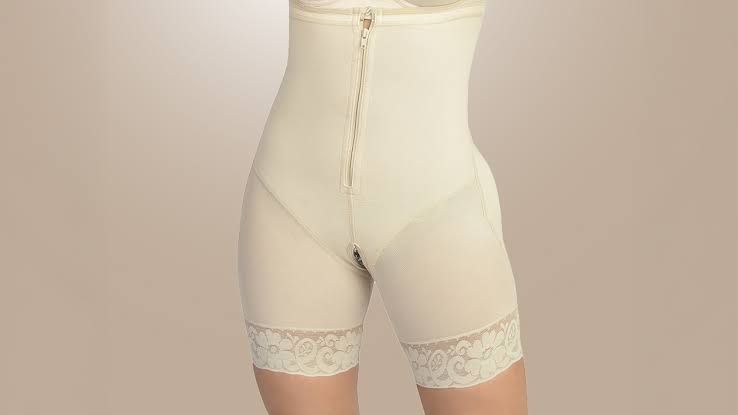
Shaping bike shorts serve double duty for casual wear — they smooth the hips and thighs while preventing inner thigh chafing, which is a practical benefit independent of the aesthetic one. On warm days under loose dresses and skirts, they are more comfortable than a shaping brief because the thigh coverage eliminates friction.
Shaping camisoles and tanks are the best option for smoothing the upper body in everyday settings. They work as outerwear under cardigans and blazers and provide gentle compression across the back, sides, and abdomen without restricting movement.
Fabric Priorities for Everyday Wear
For daily use, breathability matters more than at special occasions. Look for fabrics with moisture-wicking properties — nylon-elastane blends wick better than cotton-elastane and maintain their shape wash after wash. Avoid latex and neoprene for everyday wear — both trap heat and cause irritation during extended use.
What to Avoid for Everyday Wear
- Firm or extra firm compression — save these for occasions
- Boning or rigid structure — uncomfortable when seated for extended periods
- Heavy hook-and-eye or multiple closure systems — inconvenient for bathroom use throughout the day
- Styles with no gusset opening — a completely sewn shut gusset is impractical for all-day wear
Work and Office Environments
The Goal
Work shapewear needs to be invisible, comfortable for 8–10 hours of sitting, standing, and moving, and appropriate for the temperature of the office environment. The visual requirement is that the shapewear does not show — no visible waistbands through tailored trousers, no texture through fitted work dresses, no bunching when seated.
Compression Level
Light to medium compression. Medium compression is appropriate for most work situations and provides visible smoothing under fitted professional clothing without becoming uncomfortable over a full working day. If your work involves extended sitting — particularly at a desk — lean toward light-medium rather than full medium to avoid abdominal discomfort after lunch.
Best Styles for Work
High waist briefs in smooth, seamless fabric are the most versatile work shapewear option. They sit invisibly under trousers and work dresses, provide tummy and hip smoothing, and are comfortable enough for a full day. The critical feature for work is the waistband — it must be flat and smooth enough not to show through fitted trousers when you move, sit, and stand throughout the day.
Shaping bodysuits work exceptionally well under structured work clothing — blazers, tailored dresses, and fitted shirts. They eliminate the gap between brief and top that can cause bunching under tucked-in shirts, and the overall compression is even from shoulder to hip. For office work with sitting, choose a bodysuit with a snap gusset rather than a sewn-shut one for bathroom practicality.
Shaping camisoles under blazers are an underrated work option. They smooth the torso without any compression at the hips or thighs, which is ideal if your lower body needs no attention but your back and sides do. See best shapewear for back fat for the strongest options in this category.
Invisible Under Work Clothing
The single most important feature for work shapewear is invisibility. A few practical checks before buying:
- Does the waistband create a visible line through your specific work trousers? Test in natural and artificial light.
- Are the leg openings smooth enough not to create a texture ridge under fitted skirts?
- Does the fabric breathe adequately for your office temperature? Overheating in firm compression in an air-conditioned office is uncomfortable.
- Can you use the bathroom without removing the garment entirely?
Bodycon and Form-Fitting Dresses
The Goal
Bodycon dresses are the most demanding shapewear situation because the fabric reveals everything — every line, every edge, every seam.
The shapewear must be completely invisible and provide comprehensive coverage from bust to at least mid-thigh. There is no room for visible waistbands, lace edges, seam lines, or garment edges of any kind.
Compression Level
Medium to firm compression. Bodycon fabric — typically jersey, bandage fabric, or similar stretch materials — clings to the body and amplifies surface texture.
Medium compression minimum is needed to smooth the silhouette enough that the dress hangs cleanly. For special occasion bodycon, firm compression provides the most complete smoothing effect.
Best Styles for Bodycon Dresses
Full-coverage bodysuits with a thong or G-string back are the definitive choice for bodycon dresses. They provide:
- Even compression from bust to hip with no waistband line
- No visible edges at the thigh — the thong back eliminates rear lines
- Complete coverage of the tummy, waist, hips, and lower back
- No risk of riding up during movement because the shoulder straps anchor the garment
The thong back is essential for most bodycon dresses because any fabric across the buttocks — even smooth shaping fabric — creates a visible line through clingy material.
Seamless shaping shorts are the next best option if a bodysuit is not feasible for the specific neckline or back of the dress. Choose styles with laser-cut, bonded edges at the waist and thigh — stitched edges create visible ridges through bodycon fabric.
The shorts must extend far enough down the thigh to sit below the dress hemline, or they will be visible when you move.
See our complete guide to best shapewear for bodycon dresses for specific product recommendations across price points.
What to Avoid Under Bodycon
- Any shapewear with visible seams — they telegraph through the dress
- Garments with lace or decorative edges
- Styles that end at mid-thigh if the dress hemline is above the knee — the shapewear edge will be visible when you walk or sit
- Light compression — it provides insufficient smoothing under the demanding fabric of a bodycon dress
Backless Dresses and Tops
The Goal
Backless styles present the specific challenge that most conventional shapewear — with its full back panels — is completely visible.
The solution requires purpose-built backless shapewear that provides front abdominal and waist control without visible fabric across the back.
Compression Level
Light to medium compression. The construction constraints of backless shapewear limit how much compression can be delivered without visible structure.
Most effective backless solutions provide medium compression at the front and minimal or no compression at the back.
Best Styles for Backless Outfits
Low-back or open-back bodysuits use a deep V or U cut at the back to stay below the dress’s back neckline while maintaining front coverage.
These are effective for dresses with moderate back openings — typically to the mid-back or just below.
Adhesive shapewear panels are the most extreme solution for very deep backless styles. These are self-adhesive fabric panels that stick directly to the skin at the abdomen and sides, providing compression without any back structure.
They work well for brief wearing periods but are less practical for events over 4–5 hours.
Waist cinchers worn low can work under moderately backless styles where the back opening does not extend below the mid-back. A cincher that sits at the natural waist rather than above it may clear the back opening while still providing waist definition.
See our full guide to best shapewear for backless dresses for the most effective current solutions.
A Note on Strapless and Halter Styles
Strapless and halter necklines do not require the same approach as backless — conventional shapewear bodysuits work fine because the back is covered.
The challenge with these necklines is the bust, not the back. Choose bodysuits with built-in strapless bra support or wear shapewear under a separate strapless bra.
Special Occasions: Weddings, Formal Events, Black Tie
The Goal
Special occasions justify firm compression and more structured garments because the duration of wear is defined (typically 4–8 hours), the outfit investment is high, and the visual requirement is at its most demanding.
Photographs, fitted formal wear, and prolonged standing and sitting all favour a more controlled silhouette.
Compression Level
Firm compression. Special occasions are when firm compression earns its place. The trade-off in comfort is worthwhile for a defined, defined period.
The practical limit is 6–8 hours for most people — plan accordingly for very long events.
Best Styles for Formal Events
Full-coverage structured bodysuits provide the most comprehensive shaping for formal wear. Look for styles with:
- Built-in underwire bra support for strapless or fitted bodice styles
- Firm abdominal panels at the front
- Smooth, compressive fabric at the back and sides
- Snap gusset closure for bathroom practicality during long events
- Thong or low-cut rear for dresses with visible rear lines
All-in-one body shapers are the highest-control option for special occasions — a category that combines the bodysuit structure with additional boning, firmer fabric, and more comprehensive coverage.
These are not appropriate for all-day wear but are ideal for events of 4–6 hours. See best all-in-one body shapers for the full review.
High control body slimmers provide similar compression to an all-in-one in a slightly more comfortable construction — recommended for events over 6 hours where the maximum-control option would become impractical.
See best body slimmers for this category.
Weddings as a Guest
As a wedding guest, you typically have 6–10 hours of wear with a mix of standing, sitting, dancing, and eating. Medium to firm compression is appropriate.
The key consideration is eating — firm compression becomes noticeably uncomfortable after a large meal. Either plan your eating around compression (eat less, or adjust), choose medium rather than firm, or have a plan for the garment after dinner.
Our dedicated guide to shapewear for wedding guests covers the specific considerations for this scenario.
Shapewear Jeans and Everyday Bottoms
The Goal
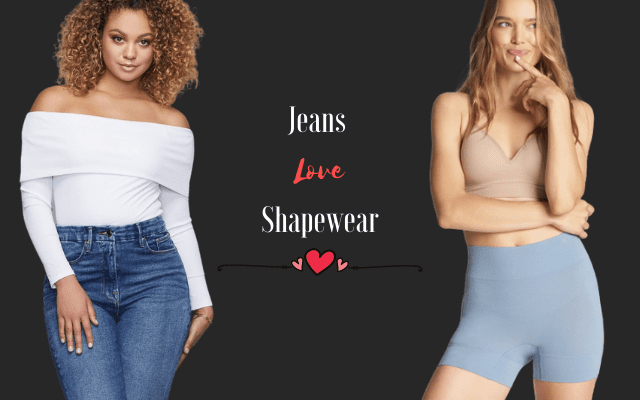
Shapewear integrated into jeans and trousers provides the most seamless approach to everyday lower body shaping — no separate undergarment, no layering, no visible edges. The compression is lighter than dedicated shapewear but the practicality advantage is significant.
How Shapewear Jeans Work
Shapewear jeans use compression panels built into the fabric construction — typically at the waist, tummy, thighs, and seat — to smooth and support without requiring a separate garment.
The best versions are indistinguishable from conventional denim in appearance while providing meaningful compression at the waist and tummy.
The compression level is always light to medium — the construction constraints of denim fabric limit how much compression can be built in without compromising the look and feel of the jeans themselves.
See best shapewear jeans for the strongest options in this category, and good body shapers for broader shaping bottom options.
Pregnancy: Maternity Occasions
The Goal
Pregnancy shapewear is a fundamentally different category from cosmetic shapewear. The goal is support and comfort — reducing lower back pain, supporting the growing abdomen, reducing leg swelling, and making specific occasions more comfortable — not compressing or reshaping.
What Is Safe During Pregnancy
Light, adjustable compression that supports without constricting. Maternity shaping shorts and bands that support the bump from below rather than compressing it from the sides. Garments that grow with the pregnancy through adjustable panels rather than fixed compression.
Never wear conventional firm compression shapewear during pregnancy. The abdominal compression is contraindicated and can reduce circulation to the uterus. Always consult your midwife or obstetrician before wearing any compression garment during pregnancy.
Our complete guide to best pregnancy shapewear covers safe options for every trimester.
Postpartum: Recovery and Return to Occasions
The Goal
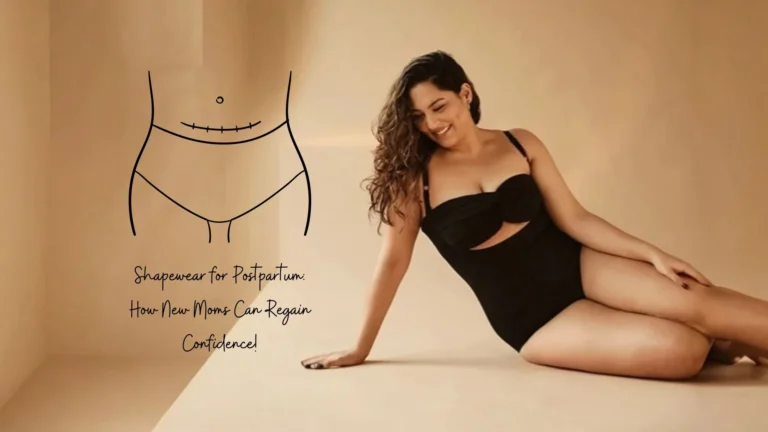
In the postpartum period, shapewear transitions between two distinct uses: medical-grade abdominal support for recovery, and gradual return to cosmetic shaping for social occasions as the body heals.
Recovery Phase (Weeks 1–8 Postpartum)
Postpartum wraps and abdominal binders in the first weeks after birth are support garments rather than shapewear. They apply gentle, even compression to the abdomen to reduce swelling, support healing abdominal muscles, and relieve lower back pain. These should be worn as directed — typically 8–12 hours per day — and the compression level should be firm enough to support but never uncomfortable.
See best postpartum wrap for options suitable for both vaginal birth and c-section recovery.
Return to Social Occasions
After medical clearance (typically 6–8 weeks for vaginal birth, 8–12 weeks for c-section), returning to cosmetic shapewear for specific occasions is appropriate. Start with light compression and progress to medium as comfort allows.
Firm compression is appropriate once the abdominal wall has fully recovered — typically 3–4 months postpartum for most women, but always follow your healthcare provider’s guidance.
For post-surgical occasions specifically — including tummy tuck and abdominal surgery recovery — see compression garments for stomach and shapewear after tummy tuck.
Gym and Active Occasions
Can You Wear Shapewear to the Gym?
This is a frequently asked question and the answer depends on what you mean by shapewear. Conventional cosmetic shapewear — high compression briefs, bodysuits, waist cinchers — is not appropriate for exercise.
The compression impairs range of motion, the fabrics do not breathe adequately for elevated body temperature, and the garments are not designed to stay in place during dynamic movement.
What works for gym occasions is compression activewear — leggings and shorts built with graduated compression that supports muscle function during exercise.
This is a different category from cosmetic shapewear, though the two overlap in some products.
Waist trainers marketed for gym use are a specific subcategory — neoprene wraps worn during exercise that create heat at the waist and cause water weight loss in that area during the session.
The weight loss is temporary (water weight returns with hydration) and the heat can cause dehydration and core temperature elevation if used excessively. See our shapewear for gym workout guide for a fuller assessment.
Quick Reference: Occasion to Style Match
| Occasion | Compression | Best Style | Key Feature |
|---|---|---|---|
| Everyday casual | Light | Seamless brief or bike shorts | Breathability, comfort |
| Work / office | Light–Medium | High waist brief or bodysuit | Invisible waistband |
| Bodycon dress | Medium–Firm | Full bodysuit, thong back | Zero visible edges |
| Backless dress | Light–Medium | Low-back bodysuit or adhesive | Back clearance |
| Formal / black tie | Firm | Structured bodysuit or all-in-one | Maximum smoothing |
| Wedding guest | Medium–Firm | Bodysuit with snap gusset | Comfort over 6+ hours |
| Pregnancy | Light only | Maternity band or shaping shorts | Support, not compression |
| Postpartum recovery | Light–Medium | Postpartum wrap or binder | Medical-grade support |
| Gym / active | N/A | Compression activewear only | Not cosmetic shapewear |
Frequently Asked Questions
What shapewear is completely invisible under clothing?
Seamless, laser-cut styles in smooth nylon-elastane blends are the most invisible. The key features are bonded or laser-cut edges (no stitched seams), smooth fabric without texture or weave pattern, and a colour that matches your skin tone as closely as possible. Under very light fabrics, nude-to-skin shapewear outperforms black even when the outfit is black.
How do I stop shapewear rolling down during the day?
Rolling down is almost always a sizing problem. If the waistband sits below the narrowest point of your torso, the volume above the band exceeds the band’s resistance and it rolls. Solutions: size up, choose a style with a wider waistband, or choose a bodysuit that anchors at the shoulders and cannot roll. See shapewear size guide for sizing methodology.
Can I wear shapewear under trousers?
Yes — high waist briefs and shaping shorts work well under trousers when the waistband is flat enough not to create a visible ridge through the trouser fabric. The test is to wear the shapewear under your specific trousers and check in natural light from multiple angles. Seamless waistbands are more reliable under tailored trousers than stitched ones.
What is the best shapewear for a night out?
For a typical night out — dinner and drinks in a fitted dress — a medium compression seamless bodysuit with a thong back covers most scenarios. If the outfit is a bodycon dress, see best shapewear for bodycon dresses. If the dress is backless, see best shapewear for backless dresses.
How do I choose between a bodysuit and shaping shorts?
The choice depends on your outfit and your concern areas. Bodysuits are better when the outfit requires full-torso coverage — fitted dresses, tops that require compression across the back and sides as well as the tummy. Shorts are better when the outfit only requires lower body coverage and the top half does not need attention. Shorts are also easier for bathroom use.
Is shapewear appropriate for outdoor summer events?
Yes, but fabric choice matters significantly in heat. Nylon-elastane blends in light compression breathe better and wick moisture better than heavier fabrics. Avoid latex, neoprene, and high-polyester blends in hot weather — they trap heat and become increasingly uncomfortable as body temperature rises. Light compression is the practical maximum for extended outdoor summer wear.
What shapewear works under a jumpsuit?
Jumpsuits present the same challenge as dresses with a different complication: bathroom use. A high waist brief is the most practical option because it does not require removing the entire jumpsuit for bathroom access. For jumpsuits with a fitted bodice, a shaping brief plus a separate shaping cami or bra provides top and bottom control without the bathroom complication of a full bodysuit.
Conclusion
The right shapewear for every occasion exists — it is a matter of matching the garment’s compression level, style, and construction to the specific demands of what you are wearing and how long you are wearing it.
For casual and everyday wear, prioritise comfort and breathability over control. For work, prioritise invisibility and all-day wearability. For special occasions, use the occasion’s defined duration as your compression guide — firm compression is appropriate when the event end is in sight. For pregnancy and postpartum, treat shapewear as a support tool and follow medical guidance.
Use these guides to go deeper on your specific occasion:
- Best shapewear for bodycon dresses
- Best shapewear for backless dresses
- Best all-in-one body shapers
- Best body slimmers
- Best shapewear jeans
- Best postpartum wrap
- Best pregnancy shapewear
- Shapewear for wedding guests
- The complete shapewear guide