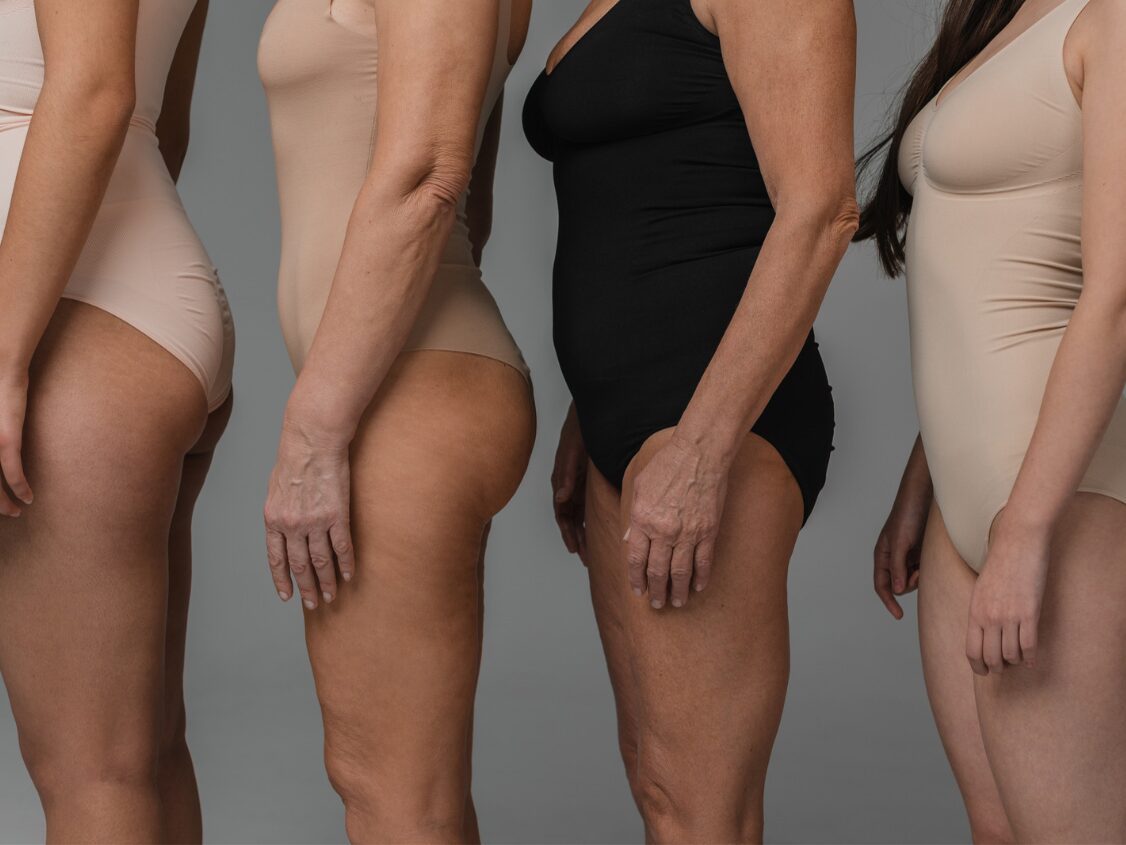
Does Shapewear Actually Work? Honest Answer
Shapewear has an unusual reputation problem: millions of women swear by it and millions of others have tried it once, had a bad experience, and concluded it is a scam. Both groups are telling the truth — because whether shapewear works depends almost entirely on whether the right shapewear was chosen for the right situation.
This guide gives the honest, evidence-based answer to whether shapewear works — what it can genuinely do, what it cannot do, why it fails when it does, and what realistic expectations look like. No hype, no dismissal — just an accurate assessment.
For the practical guide to choosing shapewear correctly, see how to choose shapewear for your body type. For sizing guidance which is one of the primary reasons shapewear fails, see shapewear size guide. For the full foundational guide, see our complete shapewear guide.
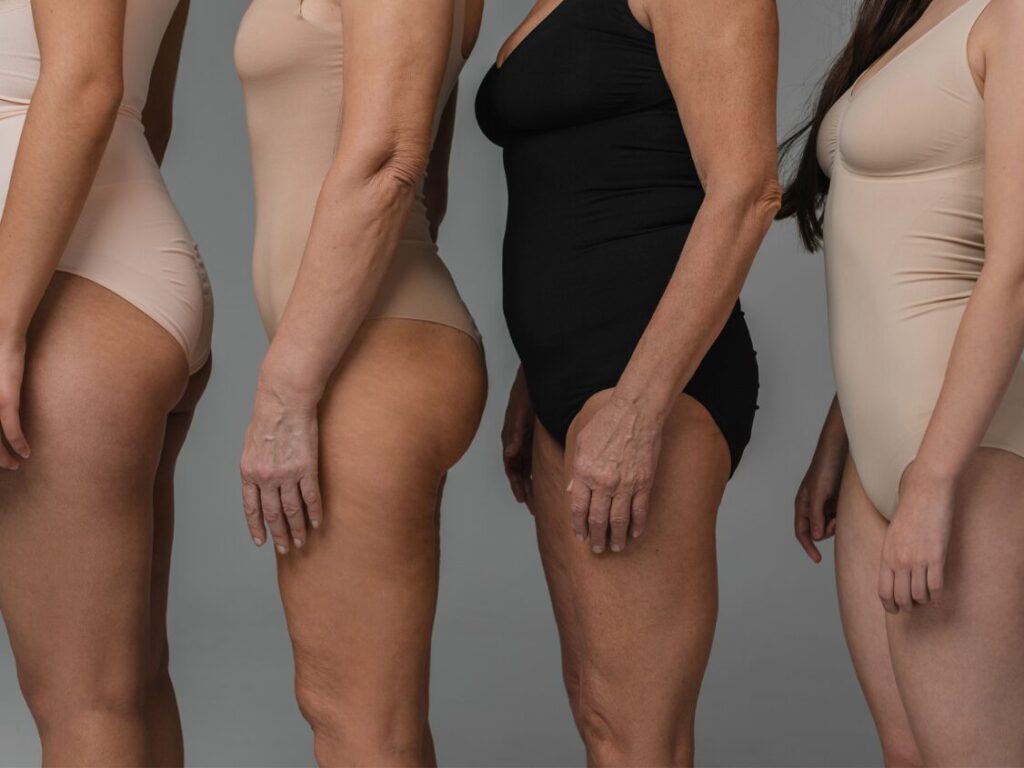
What Shapewear Actually Does
Shapewear works through one primary mechanism: external compression that redistributes soft tissue.
When a compression garment is applied to the body, the fabric’s elastic resistance creates inward pressure on the soft tissue beneath it. This pressure does two things simultaneously:
- Flattens and smooths the surface of the tissue — reducing visible roundness, texture, and contour variation
- Redistributes some of the tissue — pushing it upward, downward, or sideways, away from the zone of maximum compression
The first effect — smoothing — is the primary functional benefit of shapewear. The second effect — redistribution — is the source of most shapewear failures when the garment is the wrong style for the body.
What This Means Practically
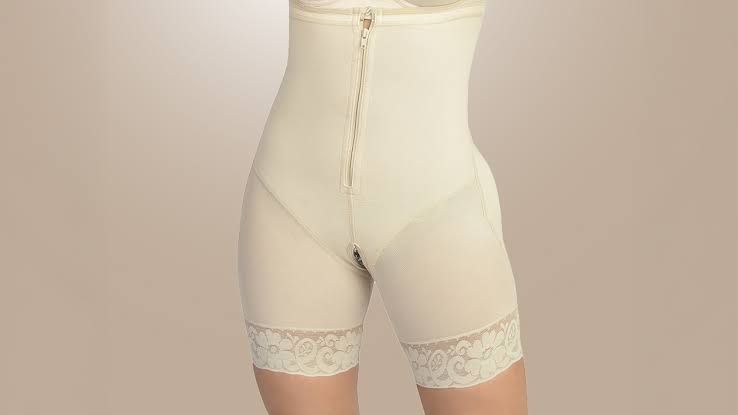
Under clothing, the smoothing effect is real and visible. A high waist brief with a reinforced abdominal panel will create a noticeably flatter, smoother silhouette under a fitted dress compared to wearing nothing or wearing only underwear. This is not marketing — it is physics. Compression flattens.
The degree of visible improvement depends on compression level (firmer compression = more smoothing), coverage area (does the garment cover the zones that matter for the specific outfit), correct sizing (a too-small garment redistributes rather than smooths), and the outfit itself (bodycon fabric is less forgiving than structured fabric).
What Shapewear Cannot Do
Being honest about limitations is as important as acknowledging what works.
Shapewear Cannot Permanently Change Your Body
This is the most common misconception — and the most damaging one. Shapewear provides a temporary compression effect while the garment is worn. The moment the garment is removed, the body returns to its natural state. There is no lasting physical change from wearing shapewear.
Claims about waist training — that wearing firm compression at the waist consistently over time permanently reduces the waist measurement — are not supported by credible scientific evidence for the vast majority of users. The ribs do not permanently compress, and soft tissue returns to its natural distribution when compression is removed. Any apparent change during a waist training protocol is primarily the result of postural adaptation and temporary tissue compression rather than permanent structural change.
Shapewear Cannot Fix a Poor Fit
If a dress or outfit does not fit correctly — too tight across the back, pulling at the hips, gaping at the waist — shapewear will not solve the fit problem. Shapewear smooths the body within the outfit; it does not alter how the outfit sits on the body.
Shapewear Cannot Address Skin Laxity
Loose, excess skin — from significant weight loss, multiple pregnancies, or age-related elasticity reduction — does not respond to compression in the same way that firm soft tissue does. Compression can smooth the surface to some extent, but it cannot replicate the results of skin tightening procedures or surgery for women with significant skin laxity.
Shapewear Cannot Replace Exercise or Nutrition
Shapewear addresses appearance under clothing for the duration of wear. It does not affect body composition, cardiovascular health, muscle tone, or any other dimension of health and fitness. Using shapewear as a substitute for addressing underlying health goals is not a valid strategy.
Why Shapewear Fails When It Does
Understanding why shapewear fails is more useful than a generic “it works” or “it doesn’t work” answer. The failure modes are specific and consistent:
Wrong Size
The most common failure mode by a significant margin. Shapewear that is too small does not provide more compression — it creates pressure points, displaces tissue above and below the compression zone creating new bulges, rolls down at the waistband, and becomes uncomfortable to the point of being removed. None of these outcomes constitute “not working” — they constitute the wrong size.
See shapewear size guide for the full sizing methodology.
Wrong Style for the Body Type
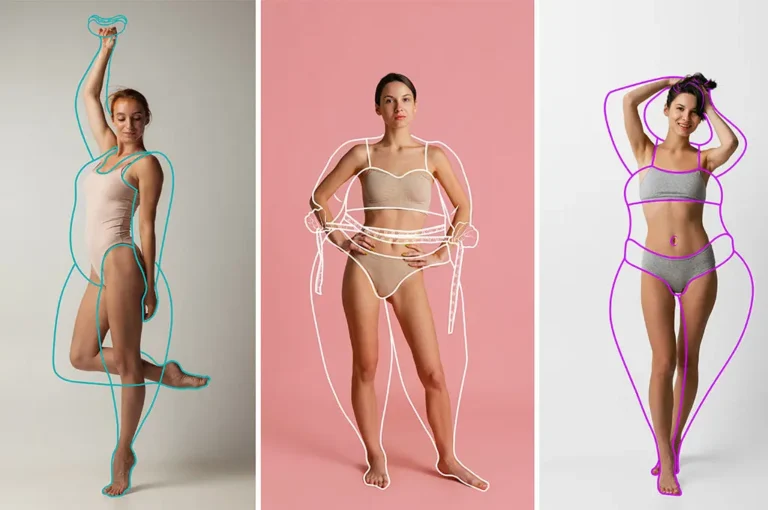
A pear shape buying a waist cincher. An apple shape buying shaping shorts. A woman concerned about back fat buying a front-panel-only brief. In all these cases, the shapewear is working exactly as designed — it is simply designed to address a different zone than the one that matters for that body.
Body type matching solves this. See how to choose shapewear for your body type.
Wrong Compression Level for the Occasion
Light compression under a bodycon dress at a formal event. Firm compression worn all day at work for a week. Mismatching compression level to occasion creates either insufficient results (too light) or unsustainable discomfort (too firm for the duration). See shapewear for every occasion.
Visible Garment Lines
Shapewear with stitched seams under bodycon fabric. A waistband ridge visible through fitted trousers. These are construction mismatches rather than failures of compression — the shapewear is compressing correctly but the garment is visible through the outfit. Seamless construction solves this.
Unrealistic Expectations
Expecting shapewear to make a size 14 dress fit a size 10 body. Expecting permanent change from a compression garment. Expecting shapewear to compensate for an outfit that does not fit. When the expectation exceeds what compression physics can deliver, the result is disappointment regardless of how technically functional the garment is.
The Evidence: Does Shapewear Work?
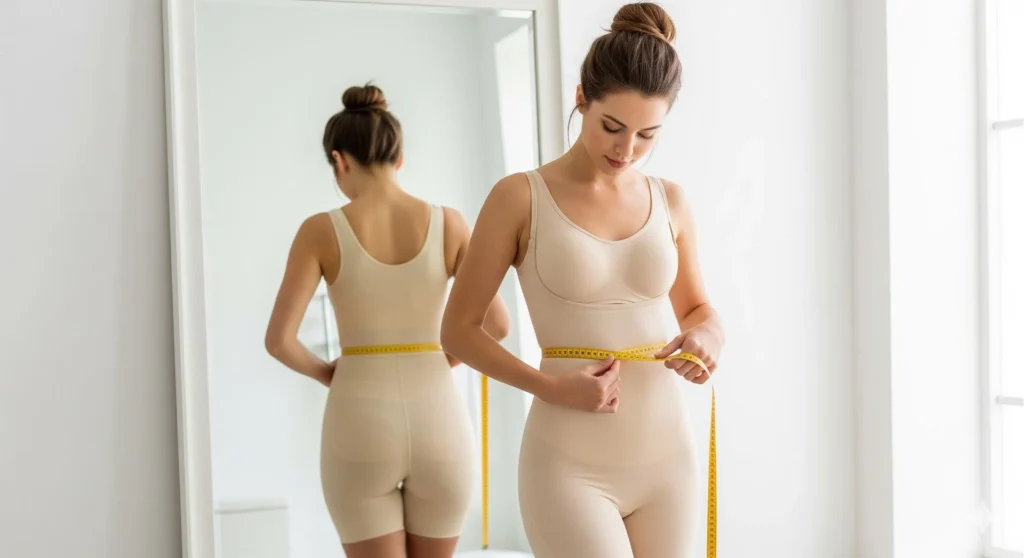
The available evidence on shapewear efficacy is primarily observational and survey-based rather than clinical — shapewear is not a medical device for most applications, so rigorous clinical trials are not the appropriate evidence standard.
What the evidence shows:
Appearance: Studies using photography and 3D body scanning consistently show that medium to firm compression shapewear creates a measurably smoother, more contoured silhouette under fitted clothing. The visual effect is real and objectively measurable.
Confidence: Survey-based research consistently shows that women who wear shapewear report higher body confidence and comfort in fitted clothing than when not wearing it. This is a subjective but legitimate benefit.
Posture: Some shapewear styles — particularly those with structured boning or waist support — provide measurable postural support. This is a secondary benefit, not the primary function.
Postpartum recovery: There is reasonable evidence that abdominal compression garments in the early postpartum period reduce swelling, lower back pain, and improve comfort during early recovery. This is the medical-adjacent application of compression principles. See postpartum shapewear guide for the full discussion.
Permanent reshaping: No credible evidence supports the claim that cosmetic shapewear permanently reduces body measurements through sustained wear.
The Psychological Dimension
The psychological benefits of shapewear are real and deserve acknowledgement rather than dismissal.
Feeling smooth and contained in an outfit — knowing that the shapewear is doing its job — reduces self-consciousness and allows attention to shift from appearance management to the actual occasion. For many women, this psychological effect is the primary value of shapewear. It is not about dramatic physical transformation — it is about the confidence to stop thinking about how you look and focus on the evening.
This is a legitimate function. Shapewear as a confidence tool, for specific occasions, used as part of a healthy relationship with one’s appearance, is entirely reasonable. The problems arise when shapewear becomes a daily compulsion driven by body dissatisfaction rather than a practical tool for specific situations.
Shapewear and Body Image: The Honest Conversation
Shapewear is neutral — it is a tool. Like any tool, it can be used well or poorly.
Used well: chosen for specific occasions, in the right size and style, with realistic expectations, as one option among many for how to feel good in an outfit.
Used poorly: worn compulsively every day from a place of body shame, sized down in a futile attempt to look smaller, replacing positive body engagement with a dependency on compression.
The difference is not in the garment — it is in the relationship the wearer has with their body. Shapewear used from a place of body appreciation — “I want to feel smooth and confident in this dress tonight” — is different from shapewear used from a place of body shame — “I cannot leave the house without hiding my body.”
If shapewear is causing more anxiety than it relieves, that is worth paying attention to — independent of whether the garment is technically working correctly.
Frequently Asked Questions
Does shapewear actually slim you down?
Under clothing, yes — shapewear creates a visibly slimmer, smoother silhouette through compression and redistribution of soft tissue. This effect is real and consistent with the right garment in the right size. When removed, the body returns to its natural state. Shapewear does not reduce body weight or fat.
How much of a difference does shapewear make?
This varies with compression level, body type, and outfit. For most women in correctly sized medium to firm compression shapewear, the visible difference under fitted clothing is meaningful — typically described as looking one size smaller or significantly smoother. The difference is most visible in fitted or form-fitting outfits and less visible under loose or structured clothing.
Does cheap shapewear work as well as expensive shapewear?
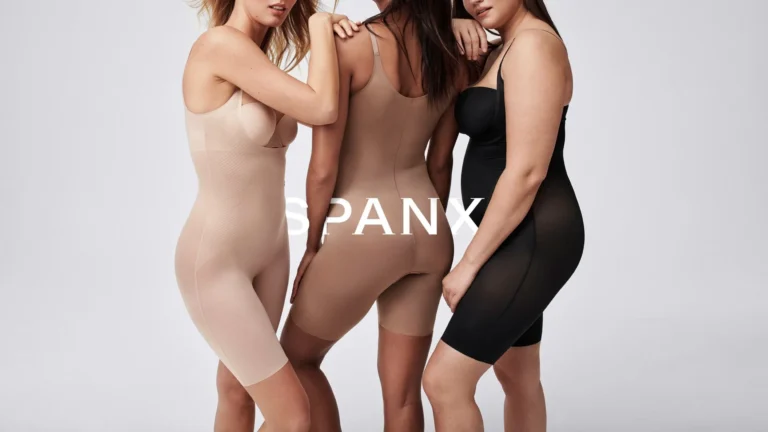
For a single-use occasion, cheap shapewear can provide comparable compression to premium brands in the short term. The differences in premium brands — Spanx, Skims, Honeylove — are durability (compression maintained over many wears), waistband construction (less rolling and muffin top), sizing consistency, and comfort at extended wear. For regular use, premium brands outperform budget alternatives over time.
Does shapewear work for plus size women?
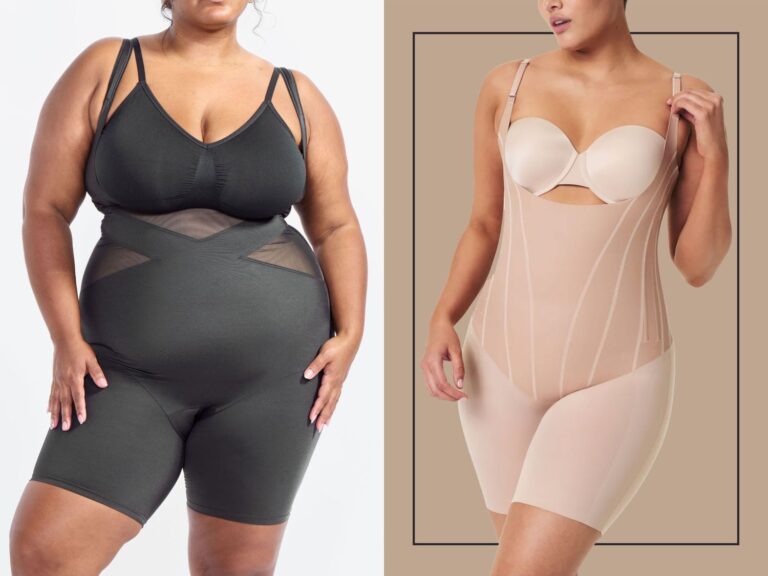
Yes — with the right garment. Plus size shapewear requires specific construction features (long torso, wide waistband, 360-degree compression) that standard sizing does not always provide. With correctly engineered extended sizing shapewear, the compression mechanism works the same way as for any body size. See best plus size shapewear for tummy and best girdle for plus size.
Does shapewear work for back fat?
Only specific styles. Standard shapewear with front-only compression panels does nothing for back fat. Shapewear with dedicated back and side compression panels — shaping camisoles, full-coverage bodysuits with structured backs — works effectively for back fat. See how to hide back fat for the full guide.
I tried shapewear and it made things worse — why?
Most commonly: the garment was too small (displacing tissue rather than smoothing it), the wrong style for the concern area, or the wrong construction for the outfit (visible seams under bodycon fabric, waistband rolling under trousers). These are fixable problems. See how to choose shapewear for your body type and shapewear size guide to diagnose which issue applied.
Conclusion
Does shapewear work? Yes — when the right garment is chosen, sized correctly, matched to the right occasion, and worn with realistic expectations. When any of these conditions are not met, it appears not to work — but the failure is in the choice, not the mechanism.
The compression physics are real. The smoothing effect under clothing is objectively measurable. The confidence benefit for specific occasions is well-documented. The limitations — no permanent change, no body composition effect, no rescue of a poorly fitting outfit — are equally real.
Shapewear is a tool. Used correctly, it works reliably.
Start with the right tool for your situation:
- How to choose shapewear for your body type — matching garment to body
- Shapewear size guide — getting the size right
- Shapewear for every occasion — matching to occasion
- Best shapewear for tummy pooch — tummy control
- Best shapewear for back fat — back smoothing
- Best plus size shapewear for tummy — extended sizing
- Complete shapewear guide — full foundational reference